 Naasongstelugu.info World News, Live News, Trending News, Latest News, Popular News Website in India, Telugu News, Health News, Business News, Sports News, Entertainment News
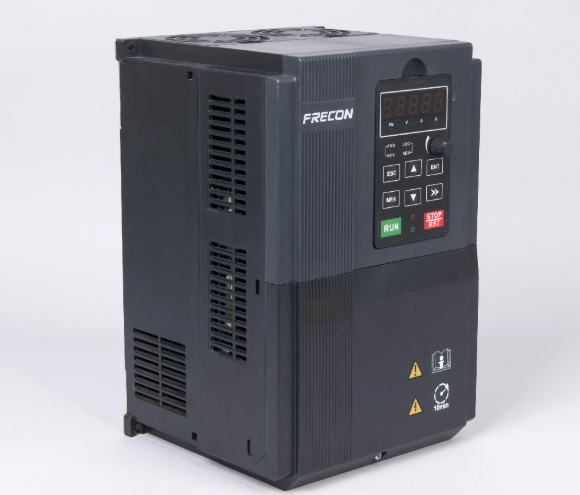
Remote drinking-water projects depend on equipment that can keep operating when technicians, grid power, and spare parts are far away. A solar water pumping system must be designed around water security first, then matched to the available solar resource. FRECON PV500 solar pumping inverter information describes hybrid input capability, MPPT operation, and safeguards for off-grid water use. These features help a solar pumping inverter serve rural supply points with fewer interruptions.
Design Around Daily Water Security
A drinking-water project should begin with the daily water requirement, storage capacity, borehole condition, and pump motor type. FRECON PV500 is described as supporting asynchronous, permanent magnet synchronous, and related motor applications, which helps designers match the solar pumping inverter to the pump already selected. A stable solar water pumping system must provide enough flow during available sunlight hours while avoiding repeated starts that can damage equipment.
Use MPPT and Backup Power Carefully
Sunlight changes through the day, so the inverter must track available solar energy efficiently. PV500 information highlights intelligent MPPT control with high tracking efficiency and automatic switching between DC solar input and AC grid input. This matters in remote drinking-water systems because cloudy conditions can reduce flow at the exact time water storage needs recovery. A solar pumping inverter with hybrid operation can improve reliability without making the design unnecessarily complicated. The backup source should be tested under load, since an untested generator or grid line may not start the pump when needed.
Protect the Pump Before Failure Occurs
Protection functions are essential where technicians cannot visit quickly. FRECON lists safeguards such as dry-run protection, overflow sensing, low-water-level protection, and automatic restart behavior. These functions help prevent a small water-source problem from becoming a damaged pump or a failed community supply. For a remote solar water pumping system, good control is therefore part of public-service reliability, not just an electrical feature. Remote projects should also include simple operator instructions, because local staff may need to respond before an engineer can arrive.
Reliable remote drinking-water supply depends on a design that technicians can understand and maintain after installation. The solar water pumping system should be sized for daily demand, protected against dry running and electrical faults, and documented for future service. A FRECON solar pumping inverter with hybrid and MPPT capability can support that goal when matched to the local water source. The result is safer operation for communities that cannot tolerate long outages.