 Naasongstelugu.info World News, Live News, Trending News, Latest News, Popular News Website in India, Telugu News, Health News, Business News, Sports News, Entertainment News
As global renewable energy deployment continues to accelerate, outdoor energy storage systems are becoming a critical infrastructure component for supporting stable, distributed, and resilient power networks. Ensuring safe operation under complex environmental conditions is essential for long-term reliability and performance. For EPC contractors and energy developers working with liquid cooling energy storage system solutions, understanding proper operational procedures is fundamental to maximizing system lifespan and minimizing risk. Sunway Solar provides advanced integrated energy storage solutions designed for industrial-scale outdoor applications across global markets.
Importance of Proper Site Selection
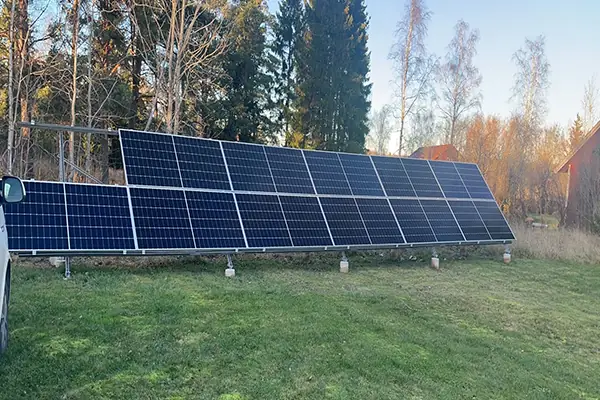
Selecting a suitable installation site is the foundation of safe and efficient energy storage operation. Outdoor systems should be installed in stable geological areas with proper drainage, low flood risk, and minimal exposure to corrosive environments or excessive dust accumulation.
In addition, adequate spacing must be reserved for ventilation, maintenance access, and emergency response pathways. Poor site planning can significantly increase operational risks, reduce cooling efficiency, and shorten system lifespan.
Understanding System Architecture and Configuration
Modern energy storage systems integrate multiple subsystems including battery modules, power conversion systems, cooling units, and intelligent energy management platforms. A well-designed outdoor solar energy storage system ensures stable energy conversion, optimized efficiency, and advanced safety protection mechanisms.
Operators must fully understand system architecture before deployment, including rated capacity, inverter configuration, communication protocols, and emergency control functions. This knowledge is essential to avoid operational errors and ensure stable system performance under varying load conditions.
Thermal Management and Environmental Adaptability
Outdoor energy storage systems are exposed to continuous environmental stress, including temperature fluctuations, humidity changes, and direct solar radiation. Effective thermal management is therefore essential for maintaining battery stability and preventing performance degradation.
A liquid cooling energy storage system provides precise temperature control by circulating coolants through battery modules, ensuring optimal operating conditions even in extreme environments. This improves efficiency, reduces thermal stress, and significantly extends system lifespan.
Electrical Safety and System Protection Design
Electrical safety is a core requirement in outdoor energy storage operations. Proper grounding systems, insulation design, and surge protection devices must be implemented to prevent electrical faults and ensure operator’s safety.
Advanced systems also include automatic fault detection, insulation monitoring, and emergency shutdown functions to minimize risks during abnormal operating conditions. These safety mechanisms are critical for industrial-scale deployments.
Routine Inspection and Preventive Maintenance
Regular inspection and preventive maintenance are essential for ensuring long-term operational stability. Operators should periodically check battery health, cooling system performance, cable connections, and system controllers.
Preventive maintenance helps identify potential failures before they escalate into critical issues, reducing downtime and improving overall system reliability. A structured maintenance schedule also ensures compliance with safety standards.
Intelligent Monitoring and Energy Optimization
Modern energy storage systems are equipped with intelligent monitoring platforms that provide real-time visibility into system performance, including energy flow, temperature status, and fault alerts.
These platforms allow operators to optimize charging and discharging strategies based on demand patterns, improving energy efficiency while reducing unnecessary wear on system components.
Emergency Response and Safety Training
Establishing comprehensive emergency response procedures is essential for safe system operation. This includes fire response protocols, system shutdown procedures, and evacuation guidelines.
All operational personnel should receive proper safety training to ensure they can respond effectively to alarms, faults, or abnormal system behavior. Regular drills further enhance preparedness and reduce operational risk.
Environmental Durability and System Protection
Outdoor energy storage systems must be designed to withstand harsh environmental conditions such as heavy rain, strong wind, dust storms, and temperature extremes.
High-quality systems from Sunway Solar are engineered with durable enclosures, corrosion-resistant materials, and high protection ratings to ensure stable operation across diverse global environments.
Integration with Renewable Energy Systems
Outdoor energy storage systems are commonly integrated with photovoltaic power systems to store excess solar energy and improve energy utilization efficiency.
This integration allows users to reduce grid dependency, increase renewable energy consumption, and enhance overall energy independence, making it a key component of modern distributed energy systems.
Long-Term Operational Efficiency and System Optimization
To maintain optimal performance, operators should continuously evaluate system efficiency and adjust operational strategies based on real-time data and seasonal variations.
Techniques such as peak shaving, load shifting, and predictive energy scheduling help maximize system efficiency while minimizing operational costs over time.
Advanced Lifecycle Management Strategies
Beyond daily operation, long-term lifecycle management is essential for maximizing return on investment. This includes battery health monitoring, degradation analysis, and performance benchmarking over time.
Proper lifecycle management ensures that system components operate within safe limits and helps extend the usable life of energy storage assets, reducing replacement costs and improving overall project economics.
Conclusion
Safe and efficient operation of outdoor energy storage systems requires a comprehensive approach that includes proper installation, thermal management, electrical safety, and intelligent monitoring. By following structured operational best practices, users can significantly improve system reliability and reduce long-term risks.
With advanced liquid cooling energy storage system technology and integrated engineering support from Sunway Solar, global operators can achieve higher safety standards, improved energy efficiency, and long-term operational stability. For organizations deploying outdoor solar energy storage system solutions, these expanded best practices provide a solid foundation for building resilient and sustainable energy infrastructure.