 Naasongstelugu.info World News, Live News, Trending News, Latest News, Popular News Website in India, Telugu News, Health News, Business News, Sports News, Entertainment News
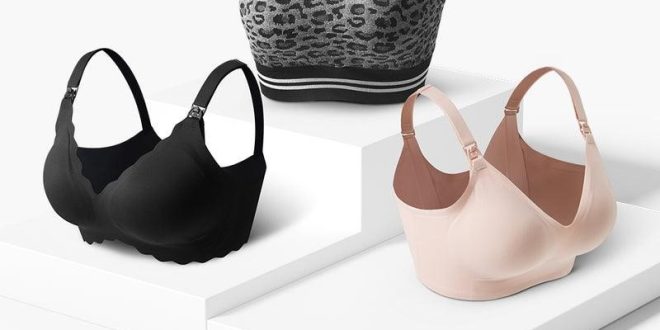
During pregnancy, the discomfort of constantly changing breast size can be overwhelming, leaving many women frustrated with their regular bras that suddenly feel restrictive and inadequate. As your body prepares for motherhood, the traditional undergarments that once provided reliable support now create pressure points, dig into sensitive tissue, and fail to accommodate your evolving needs. This is where nursing bras become an essential part of your maternity journey, offering adaptable support that grows with you through pregnancy and breastfeeding. Understanding when to make the switch, how to select the right features, and ensuring proper fit can transform your daily comfort levels dramatically. Whether you’re in your first trimester or preparing for breastfeeding, discovering the right nursing bra solutions will provide the perfect balance of support and flexibility your changing body demands.
Understanding Body Changes During Pregnancy and Nursing
Throughout pregnancy and nursing, breasts undergo remarkable transformations that require evolving support solutions. During the first trimester, increased blood flow and hormonal changes cause initial tenderness and swelling. By the second trimester, breast tissue expands significantly as milk ducts develop, often increasing by one to two cup sizes. The third trimester brings further growth and sensitivity as the body prepares for milk production. Postpartum changes continue as milk supply establishes and fluctuates throughout the day. Standard bras become problematic during these transitions, creating compression points that restrict natural tissue expansion and lymphatic flow. Their rigid structures and fixed cup sizes fail to accommodate the daily and weekly size variations common during pregnancy and nursing. Maternity bras serve as crucial transitional wear, featuring flexible materials and expandable cups that move with your changing body. These specialized designs incorporate wider bands, softer materials, and strategic support zones that distribute pressure evenly across the back and shoulders, preventing the discomfort and potential tissue damage that can result from wearing inadequate support during this sensitive time.
When to Transition to Nursing Bras
Making the switch to nursing bras typically becomes necessary during the first trimester when breast tenderness and initial growth begin. Key indicators that it’s time to transition include noticeable spillage from your regular cup size, uncomfortable pressure from underwires, and a feeling of tightness around the band that wasn’t present before. Most women benefit from introducing their first nursing bra between weeks 8-12 of pregnancy, when hormone-driven changes become more pronounced. However, rather than replacing your entire bra wardrobe at once, consider a gradual transition strategy. Start with one or two well-fitting nursing bras, then add more as your pregnancy progresses and your needs evolve. This approach helps manage both comfort and budget concerns, especially since breast size can continue changing throughout pregnancy. For optimal support, maintain a mix of both maternity and nursing styles, using stretchy, wireless options for early pregnancy and adding more structured nursing bras as you approach your due date. This strategic timing ensures you’re never caught without proper support while avoiding unnecessary purchases.
Key Features of Quality Nursing Bras

Comfort-First Materials and Construction
Premium nursing bras like those from momcozy prioritize breathable, skin-friendly materials like cotton blends and modal fabrics that prevent irritation while maintaining shape. Seamless construction techniques eliminate pressure points and chafing, particularly important during tender periods. Strategic stretch panels incorporate elastane fibers that accommodate daily size fluctuations without losing support. The most effective designs balance durability with flexibility through reinforced side panels and underbust bands while maintaining soft, moldable cups.
Essential Support Elements
Wide, cushioned underbands distribute weight evenly across the torso, preventing shoulder strain and improving posture. Multi-position straps with plush padding offer customizable support levels throughout pregnancy and nursing. While traditional underwire bras can restrict milk ducts, modern flexible-wire options provide structured support without compression. Easy-access nursing clips feature smooth-release mechanisms that maintain cup stability during feeds.
Breastfeeding-Specific Design Innovations
Contemporary nursing bras incorporate intuitive one-handed clasp systems that allow quick, discreet feeding access while holding your baby. Drop-down cups feature full breast exposure for improved skin contact, with various coverage options from full to partial drop-down panels. Built-in pocket designs securely hold nursing pads, preventing shifting and leakage while maintaining a smooth silhouette under clothing.
Step-by-Step Nursing Bra Sizing Guide
Accurate nursing bra sizing begins with measuring your underbust while standing straight, pulling the measuring tape snugly around your ribcage just below the breast tissue. For optimal comfort during pregnancy, add 1-2 inches to this measurement to accommodate natural ribcage expansion. Next, measure around the fullest part of your breasts while wearing a non-padded bra, keeping the tape parallel to the ground. Subtract your band measurement from this bust measurement to determine your cup size, with each inch representing one cup size. During pregnancy, select a bra that fits comfortably on the loosest hook setting, allowing you to tighten the band as your ribcage returns to pre-pregnancy size. Professional fitters recommend reassessing your size at the beginning of each trimester, as breasts typically increase 1-2 cup sizes during pregnancy. When trying on nursing bras, test the nursing clips while seated and standing to ensure easy operation. The bra should provide full coverage without spillage, while the center gore sits flat against your sternum. Common fitting issues include cups that wrinkle (too large) or cause double-busting (too small), and bands that ride up in back (too loose) or leave red marks (too tight). For immediate postpartum comfort, consider sizing up one cup size from your late-pregnancy measurement to accommodate initial milk production, then reassess after 6-8 weeks when your supply stabilizes.
Nursing Bra Styles for Different Needs
Everyday T-shirt nursing bras serve as the foundation of your maternity wardrobe, featuring smooth, seamless cups that disappear under clothing while providing reliable support for daily activities. These versatile options typically include moisture-wicking fabrics and removable padding for leak protection. Sleep and loungewear styles prioritize gentle compression through cross-over designs that allow easy nighttime feeding access without clasps or hooks that could disturb rest. For active mothers, specially designed nursing sports bras incorporate high-impact support with quick-dry materials and reinforced cups that prevent bounce while maintaining easy feeding access. These athletic styles often feature racerback conversions and moisture-management systems to keep skin dry during workouts. Fashion-forward nursing bras now include delicate lace overlays, contemporary patterns, and elegant silhouettes that help maintain body confidence while meeting practical needs. For fuller busts, look for styles with additional side support panels and wider straps that distribute weight effectively without sacrificing style. Lighter support options work well for smaller cup sizes, particularly during early pregnancy when tenderness is the primary concern. Consider maintaining a mix of styles to address different activities and outfits, ensuring comfort throughout your breastfeeding journey.
Maximizing Comfort Through Care and Replacement
Proper nursing bra care significantly extends garment life while maintaining essential support features. Hand wash bras in cool water using gentle detergent, avoiding fabric softeners that can degrade elasticity. Reshape cups and lay flat to dry, never machine dry as heat damages elastic components. Rotate between at least three bras to allow complete drying and elastic recovery between wears. Watch for key replacement indicators: stretched bands that ride up, cups losing shape, compressed padding, or clasps that stick. Most nursing bras need replacement every 3-4 months with regular use. When shopping for replacements, prioritize reinforced seams, quality elastic, and durable clasps over decorative elements. Look for double-stitched bands and straps as indicators of longevity. Budget-conscious mothers can maximize value by investing in neutral colors that work under various outfits and choosing convertible styles that adapt to different necklines.
Supporting Your Journey Through Pregnancy and Nursing
Investing in proper nursing bras represents more than just a wardrobe update—it’s an essential step in supporting your changing body through pregnancy and breastfeeding. The right combination of fit, functionality, and comfort features can dramatically improve your daily experience during this transformative time. Remember to prioritize breathable materials, adjustable support systems, and easy nursing access when selecting your bras. Regular size assessments and proper care routines will ensure your nursing bras continue providing optimal support throughout your breastfeeding journey. While the variety of options may seem overwhelming initially, focusing on your specific needs—whether that’s extra support for larger busts, moisture-wicking properties for active lifestyles, or sleep-friendly designs for nighttime feeding—will guide you to the most suitable choices. By investing in quality nursing bras and maintaining them properly, you’re creating a foundation of comfort that allows you to focus on what truly matters: nurturing your growing baby and taking care of yourself during this special time.